Kate's Learning A'cat'emy
😺 Offering individualized tutoring sessions with an emphasis on dyslexia intervention😺 Specializing in the teaching of reading through an Orton Gillingham approach

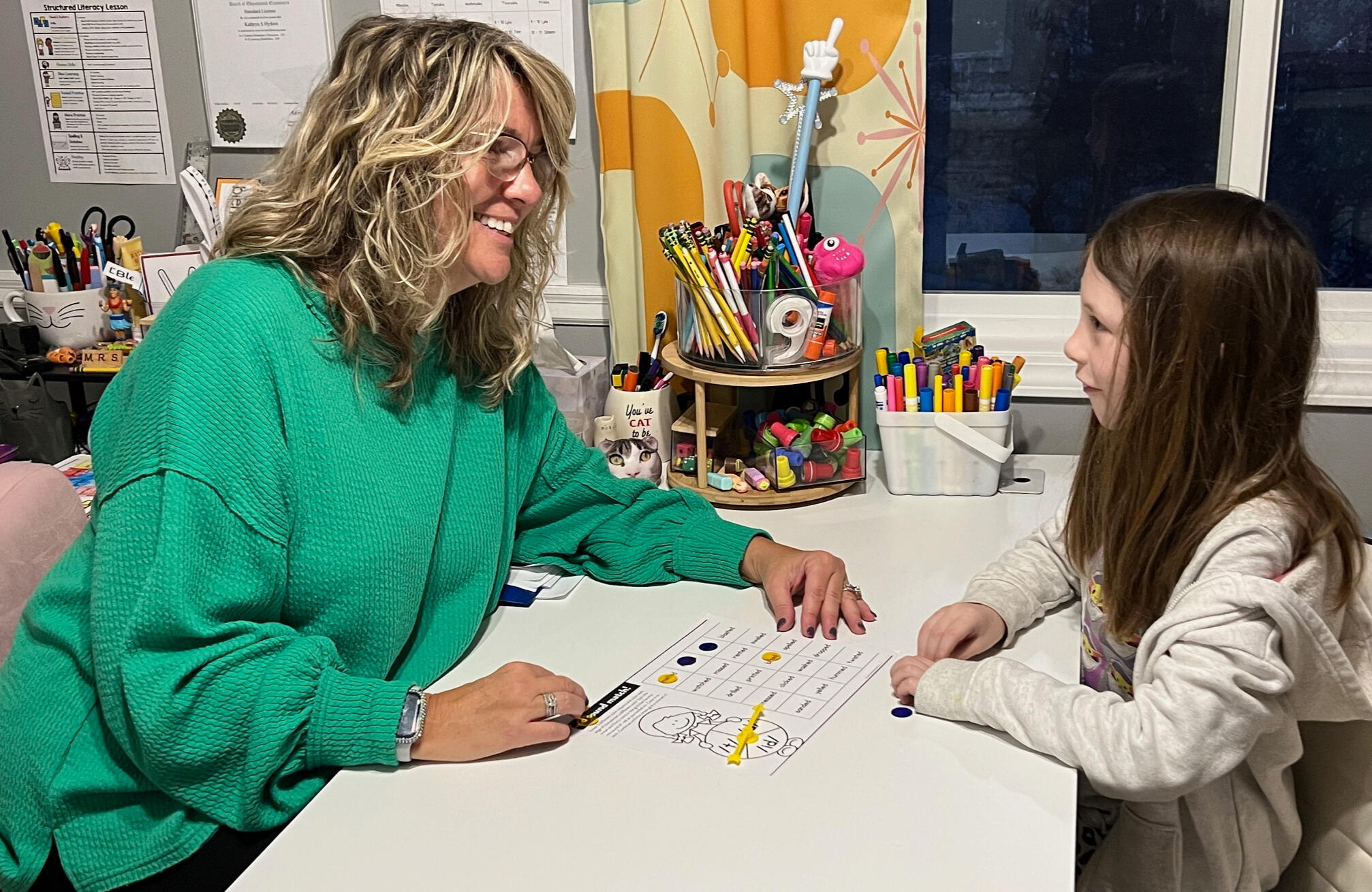
Meet Kate...

🐾 Licensed elementary teacher with a concentration in special education
🐾Certified through the Dyslexia Training Institute
🐾Orton Gillingham trained through IMSE🐾 17 years as a classroom teacher🐾 22 years running my tutoring business🐾 Passionate about teaching reading through structured literacy and providing research based individualized intervention🐾 Affordable pricing
Upcoming Dates to Remember:
🐾August 17-30: Break
🐾August 31: Fall sessions begin
🐾Sep. 11-18: NO SESSIONS- I will be on vacation
🐾Oct. 8-9: NO SESSIONS- I am in North Carolina that weekend
Announcements:
🐾As we begin fall sessions, please let me know at your earliest convenience if you know your child will be absent. This helps me to know what is available if other students need to make a scheduling change.For reference, here is my cancellation policy:
🐾 Notification a day in advance of scheduled session = no charge
🐾 Notification the day of the session = $15 charge
🐾 No notification and no show = full session fee charge
🐾 Note- There is no charge for illness or family emergency.
Services Offered

Tutoring Sessions
😺 I offer individualized 55 minute sessions during the school year in specializing in dyslexia intervention and structured literacy.😺 All sessions take place in my Ankeny home or are available virtually.

Parent Consultations
Are you a homeschool mom or parent trying to work more effectively with your child in the area of reading?I would love to sit down with you and create a plan for success.

Summer Sessions
I offer individualized sessions that run for 10 weeks during the summer months.This is a great way to prevent summer slide and get your child ready for fall classes.

What Parents are Saying...
“We are incredibly grateful for Ms. Kate's exceptional tutoring with our first-grade son.She has not only significantly improved our son's phonemic awareness, reading, writing and math skills, but also instilled in him a genuine love for learning and a newfound confidence in his abilities.Ms. Kate's patient approach, tailored lesson plans, and ability to connect with our son on a personal level made a world of difference. She has also encouraged us along the way!We highly recommend her to any family seeking a dedicated and results-oriented tutor.”Tammy D.

What Parents Are Saying
“Kate has helped not only our daughter, but our family, incredibly.She is absolutely brilliant and works MAGIC with our daughter who learns differently than most.She puts in the hours and effort to craft very personalized learning methods that enable her students to THRIVE.We would not be where we are today without Kate’s knowledge and support.She is such a vital and valuable piece of our daughter’s development.”April W.
A look inside the A'Cat'emy
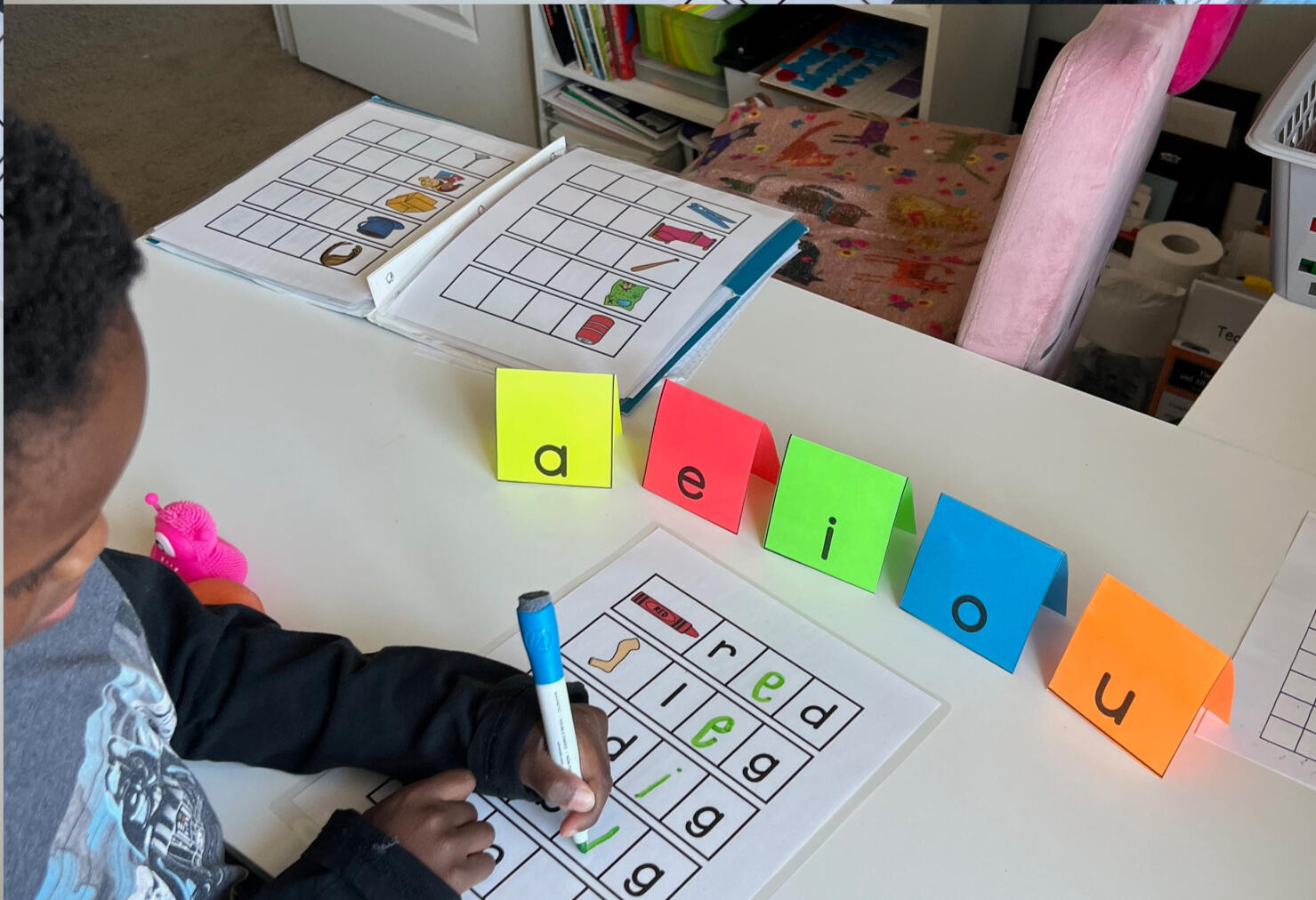
Alphabet knowledge is crucial for becoming an automatic reader. This student is working on differentiating the vowel sound in words.
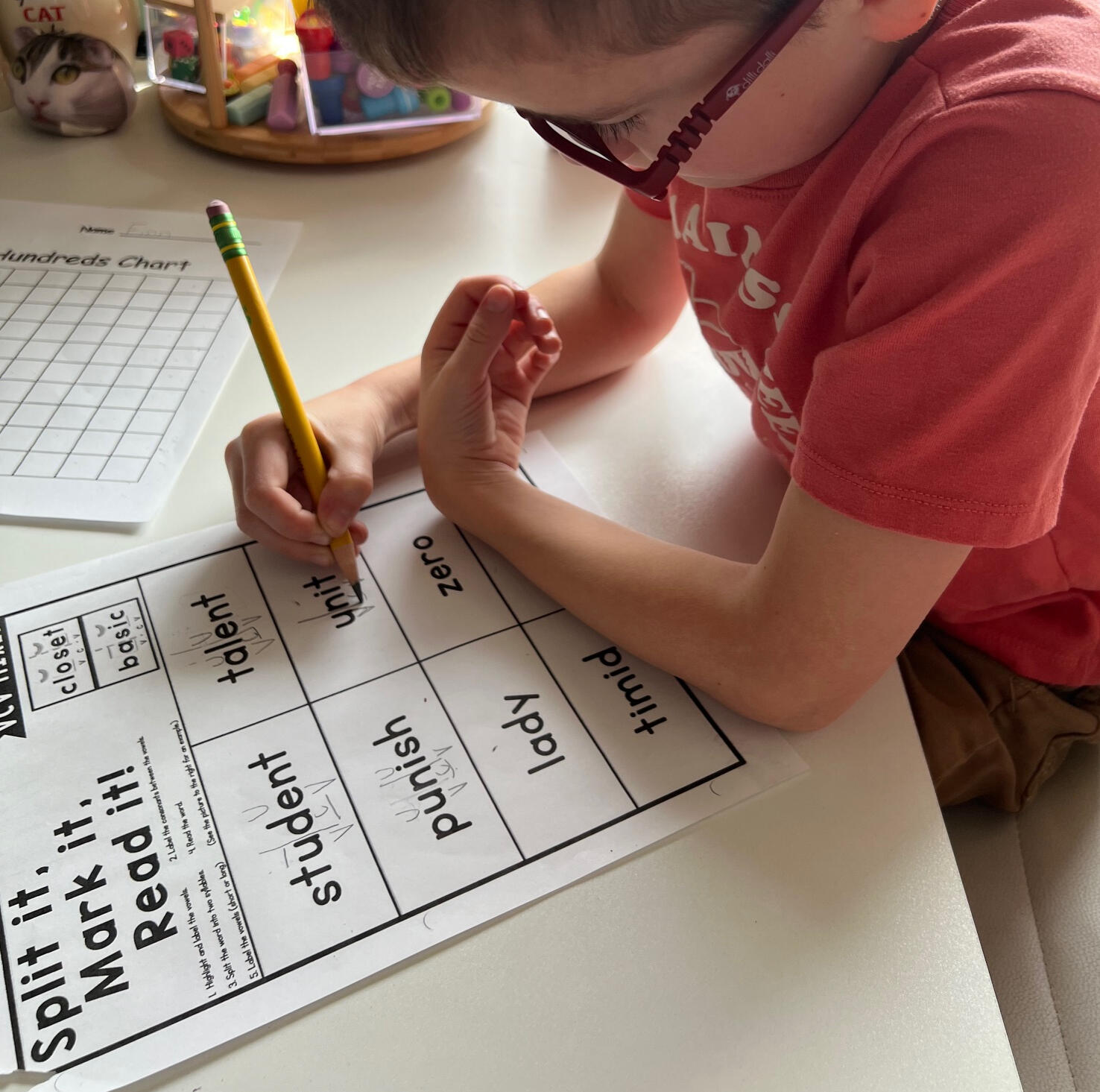
An important aspect of structured literacy is syllabication. The knowledge of understanding how to break words correctly into syllables aids in reading multisyllabic words. This student is working on the camel (VC/V) and tiger (V/CV) rules.

A Momentary "Paws" to Learn About...
Structured Literacy
Structured literacy allows students to learn to decode words based on the rules of the English language. Often, English gets a bad rap.I often hear, “English doesn’t make sense,” but in reality, about 87% of English words are easily decodable.Often the words we encounter that are non-phonetic are taken from other languages.The elements of structured literacy include phonological awareness, sound symbol association, morphology, syntax, syllable instruction, vocabulary, spelling, and fluency with the ultimate goal being comprehension.I will explain each of these in more detail in later posts.
So how is structured literacy accomplished? Teaching is done explicitly. We don’t assume that a student probably knows the information. Concepts are demonstrated clearly and several examples are given. Teaching is systematic.Skills progress from easier to harder taught in a logical sequence. Cumulative review is incorporated. Concepts are revisited and practiced often.Finally, teaching is diagnostic in nature. As lessons are taught, informal and formal assessment is happening in order to tailor instruction to meet each student’s particular needs.